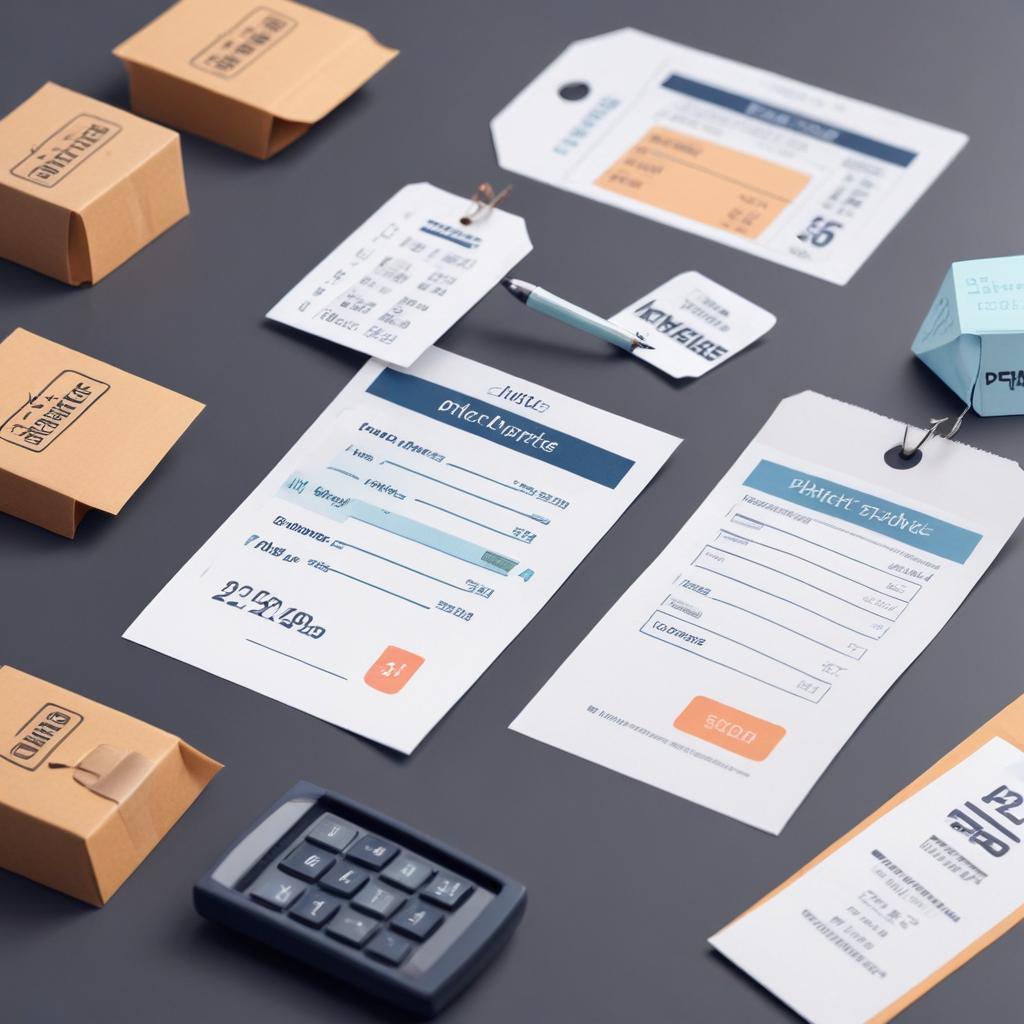
Understanding Pricing Models: Price per Minute vs. Package Prices
When it comes to service pricing, two main pricing models dominate the market: price per minute and package prices. Understanding these pricing models is essential for both providers and customers as it directly influences the cost comparison and overall value of the service offered.
The price per minute model is straightforward and flexible. It charges the customer based on the actual time they use the service. This pricing model is commonly used in industries such as telecommunications, consulting, and other services where time tracking is easy and precise. The fundamental advantage of the price per minute model is that it allows customers to pay strictly for the amount of service they receive, making it potentially cost-effective for shorter or more spontaneous usage. However, this model might lead to higher costs if service usage extends beyond initial expectations.
On the other hand, package prices involve bundling a predefined quantity of service time or units into a single price. Customers purchase these packages in advance and use the allocated amount at their convenience. This pricing model is popular for customers seeking more predictable expenses and often includes discounted rates compared to the price per minute. Package prices are advantageous for regular users or those who anticipate extended service use, as it can reduce the overall cost and simplify budgeting.
Fundamentally, the main difference between these two pricing models lies in payment structure and cost predictability. Price per minute offers flexibility and precise billing based on actual usage, which can be beneficial for irregular or short-term customers. Package prices, in contrast, promote cost savings and commitment, appealing to frequent users who prefer budgeting their expenses upfront without worrying about fluctuating costs.
In summary, the choice between price per minute and package prices depends on individual needs and usage patterns. By understanding these pricing models, customers can make informed decisions and achieve a balanced cost comparison that suits their financial and service expectations.
What is Price per Minute Pricing?
Price per minute pricing, also known as minute billing or time-based pricing, is a payment model where customers are charged based on the exact duration of service usage. Instead of paying a fixed amount upfront, users are billed incrementally for each minute they utilize the service. This approach ensures that customers only pay for the time they actually consume, promoting fairness and transparency in billing.
This pricing model is particularly popular in industries where services are delivered in short, measurable time intervals. For example, telecommunications companies often use price per minute billing for phone calls, charging customers according to call length. Similarly, the adult entertainment and phone sex industries rely heavily on minute billing to bill users precisely for the time spent on calls. Other sectors include consulting, legal services, and certain IT support services, where the exact time spent on a client’s issue is recorded and billed accordingly.
One of the main advantages of price per minute pricing is its flexibility. Customers appreciate knowing that their charges reflect actual usage without hidden fees or minimum payments. For businesses, this method can boost revenue by encouraging longer interaction times, while maintaining transparent accountability. In sectors like phone-based services, where interactions are inherently brief and variable, minute billing remains a preferred strategy to align pricing closely with service consumption.
What are Package Prices?
Package pricing refers to a pricing strategy where services or minutes are bundled into a pre-paid package, offering customers a flat rate for a set amount of usage or access. This method contrasts with pay-as-you-go or per-minute fees by providing a more predictable expense and often better value for frequent users. These flat rate packages make it easier for customers to manage their spending without worrying about incremental costs for every additional minute or service.
In a package pricing model, a collection of services or time units is combined into one offer, which customers purchase in advance. For example, a telecom company might offer a package pricing plan that includes 100 minutes of call time bundled together for a fixed price. Similarly, gyms may sell bundled offers like 10 personal training sessions at a discounted rate compared to paying for each session individually. This model encourages loyalty and higher upfront commitment from the customer.
Across different sectors, package pricing is commonly seen in mobile phone plans, internet services, subscription-based digital content, and professional services like consulting or tutoring. Bundled offers, such as all-you-can-eat meal plans or bulk purchase discounts in retail, are additional forms of package pricing. By using these flat rate packages, companies can simplify billing and provide clarity while allowing customers to benefit from savings and convenience.
Advantages and Disadvantages of Each Pricing Model
When deciding between price per minute and package pricing models, it’s essential to weigh the advantages and disadvantages of each. Both approaches come with distinct price per minute pros cons and package pricing benefits that can significantly influence customer satisfaction and business profitability.
The price per minute model offers clarity and fairness, as customers pay only for the exact amount of time they use. One of the key advantages is its flexibility; it allows users to engage without a long-term commitment, which can be attractive for occasional or unpredictable usage. This model also simplifies billing since there’s a direct correlation between the service duration and cost. However, the disadvantages include potential unpredictability in monthly expenses for customers, which may deter budget-conscious buyers. For providers, it may lead to fluctuating revenues that can complicate financial planning.
Package pricing, on the other hand, provides significant benefits by bundling services for a fixed price. This can encourage longer engagement and loyalty, as customers may perceive better value with discounted rates compared to paying per minute. Package pricing benefits also include predictable revenue flow for businesses, facilitating easier forecasting and resource allocation. However, this model may have some disadvantages; customers who use services less frequently might feel they are overpaying for unused minutes, which can lead to dissatisfaction. Additionally, packages may seem restrictive, lacking the flexibility that some users prefer.
In summary, the choice between price per minute and package pricing boils down to balancing the advantages and disadvantages based on your target audience’s usage patterns. Price per minute pros cons revolve around flexibility and unpredictable costs, while package pricing benefits focus on value perception and predictable revenue but might sacrifice flexibility. Understanding these trade-offs enables you to select the pricing strategy that best meets both your business goals and your customers’ expectations.
Benefits and Drawbacks of Price per Minute Pricing
Price per minute pricing offers significant flexibility for consumers, allowing them to pay exactly for the time they use. This transparency helps users maintain cost control, as they can monitor and adjust their usage according to their budget. Unlike fixed package rates, this model ensures that customers only pay for what they consume, which can be especially appealing for those with unpredictable service needs.
However, the price per minute model has its drawbacks. One major challenge is unpredictability: users may find it difficult to estimate the total costs beforehand, which can lead to unexpected expenses. Additionally, while this pricing structure promotes clarity, it may also result in higher overall costs for consumers compared to package deals, especially during extended usage. For frequent users, the price per minute drawbacks might outweigh the benefits of flexibility and cost control.
In conclusion, price per minute pricing provides transparency and allows for precise cost control, making it attractive for occasional or short-term use. Yet, its unpredictability and potential for increased expenses should be carefully considered by consumers looking for the best balance between price and service duration.
Benefits and Drawbacks of Package Prices
Package prices offer several benefits, particularly through their provision of fixed costs, which can simplify budgeting for customers. By purchasing value packages, clients know exactly what they will pay upfront, avoiding the unpredictability of per-minute charges that can quickly escalate. This transparency often increases the perceived value of the service, as customers feel they are getting a deal that bundles multiple offerings together at a set price. Value packages also encourage more extensive use of services, which can enhance the overall customer experience.
However, package pricing does come with its limitations. One common drawback is the risk of overpaying for services that may not be fully utilized within the package. Customers might find themselves paying for features or time they don’t actually need, leading to inefficiency and wasted expenditure. This can be frustrating, especially if the included services don’t align perfectly with the user’s requirements. Additionally, some users might feel restricted by the fixed nature of package pricing, as it lacks the flexibility to pay only for what is precisely used or needed.
Ultimately, while package pricing provides the benefit of fixed costs and an attractive perceived value, it is essential for customers to carefully consider whether their intended usage fits the package offering. Understanding the balance between potential savings and the limitations of unused services is key to making the most of package pricing.
Choosing the Right Pricing Model for Your Needs
When deciding how to choose pricing model options, it is essential to consider your unique customer needs. Different pricing strategies can cater to varying usage patterns, budgets, and service requirements. Whether you opt for a per-minute rate or package prices, the goal is to maximize cost effectiveness without compromising service quality.
Understanding your usage patterns is the first step in selecting a pricing strategy. For occasional users who require minimal service time, a pricing model based on per-minute charges might be more beneficial. This model allows customers to pay only for the exact time they use, providing flexibility and avoiding unnecessary costs. However, it is important to evaluate whether this approach aligns with your specific service needs and budget constraints.
On the other hand, package pricing can offer better value for frequent users or those with predictable usage patterns. Purchasing a package typically reduces the cost per minute and can include additional benefits such as prioritized service or special features. This model encourages customers to commit upfront, often resulting in greater cost savings over time. It provides a straightforward budgeting approach, ensuring that costs remain consistent regardless of fluctuations in usage.
To choose the right pricing model, analyze your service requirements thoroughly. Consider how often and how long you intend to use the service. If your needs are sporadic or limited, per-minute pricing might deliver enhanced cost effectiveness. For users requiring extended or repeated service, package prices tend to be more economical and convenient.
Another crucial aspect in your pricing strategy is understanding your budget limits. If you prefer predictable expenses and reduced complexity in managing payments, package pricing provides a reliable structure. Conversely, if flexibility and paying exactly for what you use are priorities, a per-minute model may be more suitable.
Ultimately, the best approach is to align your pricing choice with both your consumption habits and financial considerations. Many providers offer the option to switch between models, allowing users to test and find the most cost-effective option tailored to their customer needs. Evaluating the pros and cons of each pricing strategy carefully ensures you invest wisely and enjoy services without financial stress.
Factors to Consider When Selecting a Pricing Model
When choosing between pricing models, several key factors play a crucial role in determining the best fit for your needs. One of the most important considerations is the frequency of service use. If you anticipate needing the service regularly, a package price may offer better value, providing cost savings over time. Conversely, if your usage is sporadic or infrequent, paying per minute could be more cost-effective, as it avoids the upfront investment of a package.
Budget planning is another critical element. Package prices often require an initial payment and may fit well into a planned budget, allowing for predictable expenses. On the other hand, per-minute pricing can lead to fluctuating costs, which might be challenging if you have tight budget constraints. Understanding your financial flexibility and planning accordingly will help you select the pricing structure that best matches your budgetary needs.
Lastly, expected service duration significantly influences the choice of pricing model. Services that tend to be longer in duration may benefit from a package model, where the cost per minute effectively decreases with longer use. Short or unpredictable service durations might favor per-minute rates since you only pay for the exact amount of time used. Evaluating how long you generally expect to use the service can guide you toward the most economical option.
Examples of Optimal Use Cases for Each Model
Understanding the practical applications of pricing models is crucial for both consumers and businesses aiming to optimize costs. Real-world examples highlight when charging per minute or offering package prices prove most advantageous. For instance, price per minute models work excellently in industries where service duration varies significantly, such as consulting or legal advice. Clients benefit from paying only for the exact time used, ensuring fair billing and avoiding overpaying.
Conversely, package pricing shines in contexts where predictable, recurring usage or bulk buying occurs. Fitness centers often provide monthly membership packages allowing unlimited access, which encourages commitment while providing cost savings compared to pay-per-visit rates. Similarly, telecom companies offer data bundles that cater to users with consistent connectivity needs, simplifying budgeting and delivering better value.
Case studies in the tech sector reveal that startups prefer per-minute pricing for cloud services during fluctuating demand phases, optimizing expenses without unnecessary overhead. Established corporations, however, often negotiate package deals for extensive, steady usage, securing discounts and straightforward expense tracking. These examples demonstrate the importance of aligning pricing strategy with actual usage patterns to maximize benefits.
In summary, optimal pricing involves assessing the consumer’s habits and the business’s service delivery structure. By leveraging case studies and real-world examples, companies can tailor their pricing models to support customer satisfaction while fostering sustainable growth.

Ich fasziniere mich schon immer für die sinnliche Kraft der Stimme und wie sie allein intensive Fantasien und tiefgreifende emotionale Verbindungen schaffen kann. In meinen Beiträgen erforsche ich die psychologischen und spielerischen Aspekte der telefonischen Erotik, um die Faszination dieses Mediums greifbar zu machen. Für mich ist es eine spannende Kunstform, die die Vorstellungskraft in den Mittelpunkt stellt und völlig neue Wege der Intimität eröffnet.