The Importance of Audio Quality in Customer Satisfaction
High audio quality plays a crucial role in enhancing overall customer satisfaction and profoundly impacts the customer experience across various contexts. Whether in call centres, media consumption, or other audio-dependent interactions, the clarity and fidelity of sound significantly influence how customers perceive and engage with a service or product.
In call centres, for instance, clear and crisp audio quality ensures that communication between customers and service representatives is smooth and effective. Poor sound quality, including distortions, background noise, or static, can lead to misunderstandings, repeated information exchanges, and frustration, which ultimately diminishes customer satisfaction. On the other hand, superior audio quality helps build trust, enables faster problem resolution, and fosters a positive interaction atmosphere, all of which contribute to an improved customer experience.
Beyond call centres, audio quality holds equal importance in media consumption—be it music, podcasts, videos, or live streaming. Sound clarity enhances the immersive experience, allowing users to capture every detail, tone, and nuance. When audio quality is optimized, users feel more engaged and valued, which not only elevates their immediate experience but also strengthens long-term loyalty to the platform or brand providing the content.
Moreover, advancements in technology have raised customer expectations regarding audio quality. Modern users often associate high-definition sound with professionalism and reliability, making audio quality a pivotal factor in shaping their perception of a company’s overall quality standards. Addressing this demand for superior sound clarity can, therefore, differentiate brands from competitors and lead to higher customer satisfaction rates.
In summary, investing in high audio quality is essential for businesses aiming to boost customer satisfaction. Clear and uninterrupted sound enhances communication, minimizes frustration, and creates a richer user experience across multiple touchpoints. Prioritizing audio quality ultimately results in happier customers and reinforces positive brand experiences, making it a key element in modern customer service and media delivery strategies.
Impact of Clear Audio on Customer Perception
Clear audio plays a pivotal role in shaping customer perception, influencing how a brand or service is viewed and trusted. When customers experience high-quality sound during interactions, it enhances the overall communication, making messages more understandable and engaging. This clarity reduces misunderstandings and frustration, which can otherwise hinder a positive experience. Sound quality acts as an unspoken indicator of professionalism and attention to detail; customers often associate crisp, clear audio with a company that values their experience.
Effective communication is at the heart of building strong customer relationships, and clear audio directly supports this by ensuring the message is delivered without distractions. When customers hear what is being said without distortion or background noise, it fosters a sense of reliability and confidence in the brand. In contrast, poor audio quality can lead to miscommunication, diminished trust, and a weakening of the customer’s emotional connection to the service.
Brands that prioritize sound quality demonstrate respect for their customers’ time and attention, which significantly boosts satisfaction. Clear audio makes interactions more pleasant and efficient, encouraging customers to stay longer, engage more deeply, and return for future business. Ultimately, investing in quality sound technology and infrastructure strengthens customer trust and loyalty, enhancing the overall perception of the brand in a competitive marketplace.
Consequences of Poor Audio Quality
Poor audio quality in call centres can lead to a cascade of problems that severely impact customer satisfaction. When customers struggle to hear or understand agents due to audio problems such as static, echoes, or dropped sound, frustration quickly builds. This poor audio experience can cause customers to repeat themselves multiple times, leading to longer call durations and increased dissatisfaction.
Customer frustration is one of the most direct consequences of poor audio in calls. When communication is hindered by unclear or distorted sound, customers feel ignored or undervalued, which erodes trust in the service provider. Additionally, agents become less effective, as they may mishear details or instructions, resulting in errors and unresolved issues, further deteriorating the customer experience.
Call centre issues caused by poor audio do not just affect individual calls but can impact the entire brand reputation. Dissatisfied customers are more likely to share their negative experiences, both online and offline, which can tarnish the company’s image. High levels of customer frustration due to persistent audio problems also lead to increased call abandonment rates and higher repeat call volumes, putting additional strain on call centre resources.
In conclusion, addressing poor audio quality is crucial for maintaining positive customer interactions. Ensuring clear, reliable audio channels helps reduce customer frustration, enhances agent performance, and ultimately boosts overall customer satisfaction.
Technical Factors Affecting Audio Quality
Audio quality is heavily influenced by several technical factors that work together to create the final sound experience. One of the most significant elements is the sound equipment used, including microphones, speakers, and amplifiers. High-quality hardware ensures that the audio signal is captured and reproduced as accurately as possible, minimizing distortion and background noise. On the other hand, low-quality equipment can introduce static, muffled sounds, and various other issues that detract from the listener’s experience.
Another key technical factor is the use of audio codecs. Codecs compress and decompress audio data to enable efficient transmission and storage. The choice of codec, such as AAC, Opus, or MP3, impacts both the audio quality and the bitrates supported. More advanced codecs offer better sound quality at lower bitrates, which is essential for streaming and real-time communication applications. However, incompatibilities or poor codec implementations can lead to audio degradation, affecting the clarity and richness of the sound.
Network issues also play a crucial role in determining audio quality, especially in digital and online environments. Packet loss, latency, jitter, and bandwidth limitations can cause interruptions, delays, or dropped sound segments in audio streams. These problems are particularly noticeable in VoIP calls, live broadcasts, and other real-time audio services. Effective network management and optimization are therefore essential to maintaining seamless audio transmission and enhancing customer satisfaction.
Integrating all these technical components—sound equipment, audio codecs, and network conditions—creates a framework that directly impacts the perceived audio quality. Customers consistently associate clear, uninterrupted, and high-fidelity audio with professional service quality. Conversely, issues stemming from technical deficiencies can quickly lead to frustration, misunderstanding, and overall dissatisfaction. Businesses that invest in top-tier audio technology and manage network performance effectively gain a competitive advantage by ensuring their customers enjoy superior sound experiences.
In conclusion, the synergy of advanced audio technology, robust sound equipment, appropriate audio codecs, and stable network conditions is critical to delivering high-quality audio. Prioritizing these factors helps companies boost customer satisfaction by providing crystal-clear, reliable sound that meets or exceeds user expectations in a variety of contexts.
Role of Audio Equipment in Enhancing Quality
Audio equipment plays a pivotal role in determining the overall sound quality experienced by customers. Hardware components such as microphones and speakers are fundamental in capturing and delivering clear, high-fidelity audio. The quality of microphones impacts the clarity of the voice or sound being transmitted, ensuring minimal distortion and background noise. High-quality microphones are designed to accurately capture audio frequencies and nuances, contributing to a richer and more natural listening experience.
Similarly, speakers are responsible for effectively reproducing the captured audio. The hardware quality of speakers influences the crispness, volume balance, and bass response, all of which contribute to the perceived audio quality. Poor-quality speakers may produce muffled or tinny sounds, leading to customer dissatisfaction and miscommunication. Conversely, premium speakers deliver clear, well-balanced sound, enhancing the overall user experience.
Investing in reliable audio equipment ensures that the sound delivered is not only clear but also consistent across different environments. This reliability is essential for maintaining customer satisfaction, particularly in professional settings where communication quality is paramount. Therefore, businesses seeking to improve their audio quality should prioritize upgrading their hardware, focusing on microphones and speakers that meet high standards of performance and durability.
Influence of Network Stability on Sound Transmission
Network stability plays a crucial role in ensuring high-quality audio transmission, directly impacting customer satisfaction. Factors such as latency and packet loss in network conditions can severely degrade sound quality during communication. Latency refers to delays in data transmission, causing time lags that disrupt the natural flow of conversation. When latency is high, customers may experience noticeable pauses or echo effects, which lead to frustration and misunderstandings.
Packet loss occurs when audio data packets fail to reach their destination, resulting in gaps or distortions in the transmitted sound. Even low levels of packet loss can cause choppy audio, making it difficult for customers to comprehend the speaker. This degradation in audio quality breaks the immersive experience of real-time interaction and negatively affects the perceived professionalism of the service.
Maintaining network stability is essential to minimize latency and packet loss, ensuring smooth audio transmission. Reliable and stable networks reduce interruptions, allowing for clearer and more consistent sound delivery. By optimizing network infrastructure and employing technologies like Quality of Service (QoS), providers can prioritize audio data packets to avoid congestion and dropouts that degrade audio quality.
In conclusion, network conditions significantly influence audio transmission quality. Poor network stability resulting in high latency and packet loss undermines the clarity of conversations, leading to disrupted customer interactions and diminished satisfaction. Ensuring stable network environments is therefore key to delivering superior audio experiences in any communication-based service.
Strategies to Improve Audio Quality and Boost Customer Satisfaction
Improving audio quality is essential for any business looking to enhance customer loyalty and satisfaction. Clear, crisp sound not only makes communication more efficient but also conveys professionalism and care. Here are actionable strategies and best practices companies can implement to optimize their sound quality and, in turn, boost customer satisfaction.
Firstly, invest in high-quality audio equipment. This includes using premium microphones, headsets, and speakers that reduce background noise and enhance voice clarity. Sound optimisation starts with the right hardware, as poor input devices can undermine any other efforts made downstream.
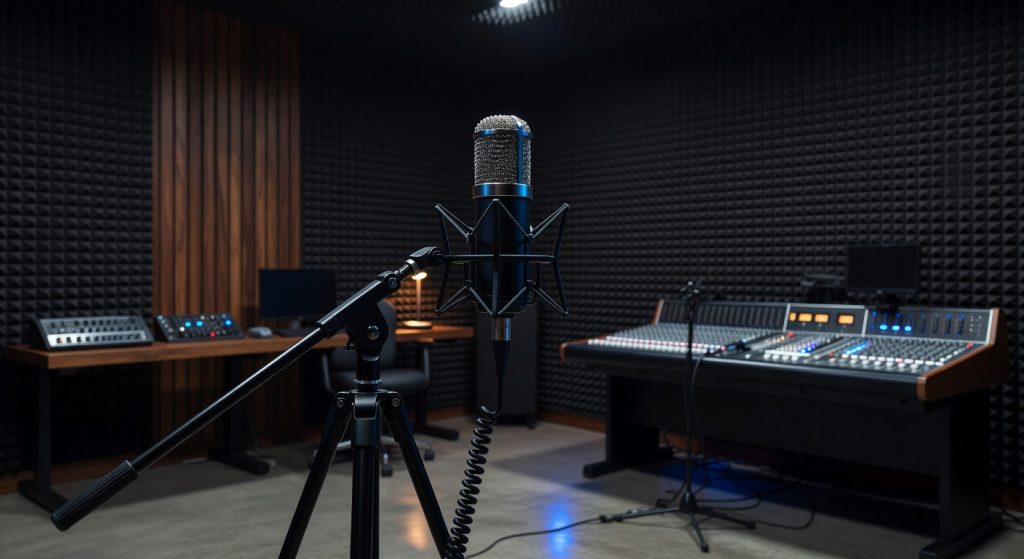
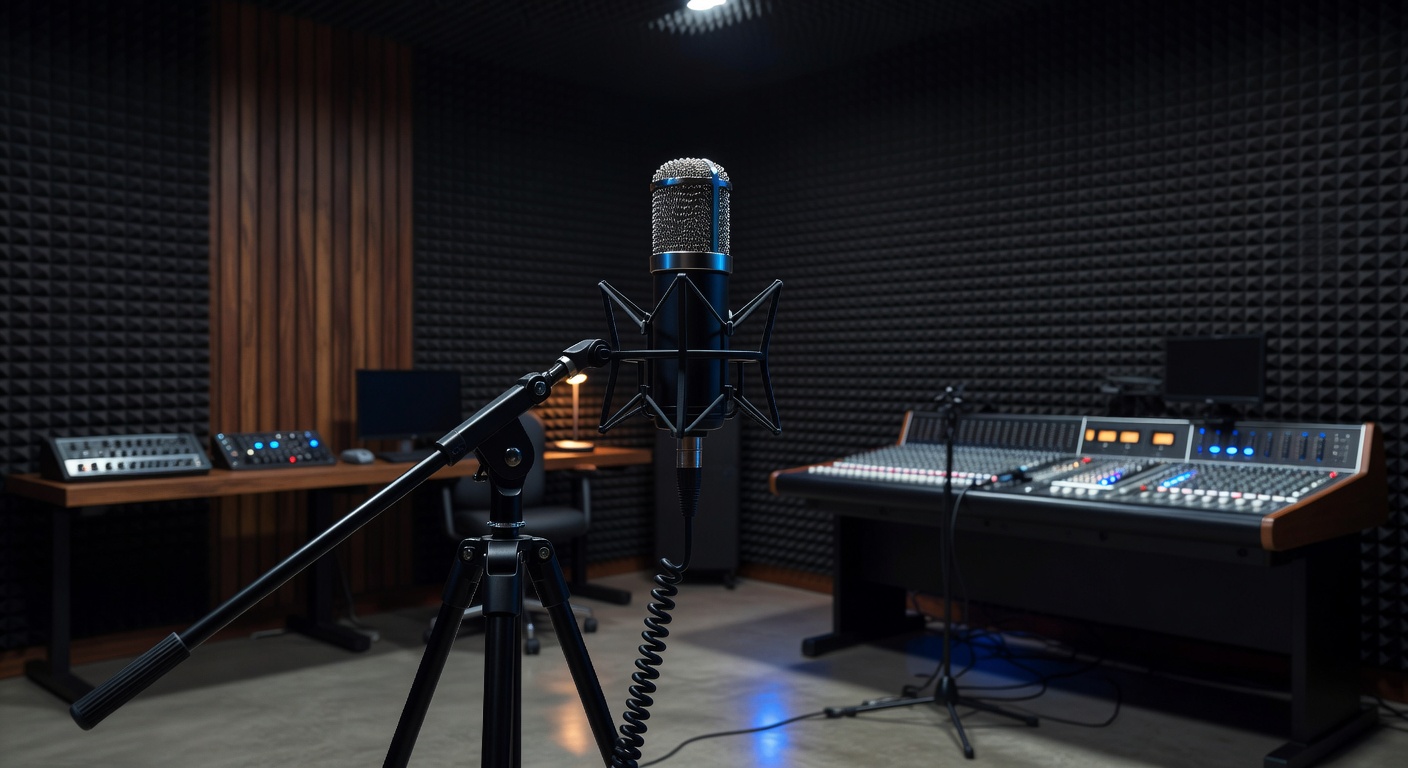
Secondly, ensure a proper acoustic environment. Background noise can be a major distraction during customer interactions. Using soundproofing materials or designing quiet workspaces helps to minimise echo and external noise, allowing calls or recordings to maintain a professional and polished sound.
Thirdly, implement regular training programs for staff to improve their communication skills and educate them on the importance of speaking clearly and at an appropriate volume. This can significantly enhance the overall audio quality from the human element, making conversations more pleasant and comprehensible to customers.
Fourthly, utilise audio enhancement software and tools. Modern technology offers noise cancellation, equalisation, and volume normalisation features that can dramatically improve sound quality in real-time or post-production. Incorporating these best practices ensures a consistent and professional audio experience.
Finally, continuously monitor audio quality by gathering customer feedback and conducting regular quality assessments. Analysing call recordings and customer satisfaction data can highlight specific areas for improvement and help fine-tune sound optimisation strategies to meet evolving customer expectations.
By integrating these strategies—quality equipment, acoustic optimisation, training, software tools, and ongoing monitoring—companies can not only improve their audio quality but also build stronger customer loyalty through enhanced communication experiences.
Implementing Sound Quality Standards
Setting and maintaining sound standards is essential for delivering consistent, high-quality audio experiences that meet customer expectations. By implementing rigorous quality control procedures, companies can ensure that every sound output adheres to predetermined benchmarks, minimizing distortions, background noise, and other audio flaws. This process involves regular audio benchmarking, where sound samples are compared against industry standards and customer feedback to verify clarity, richness, and balance.
Quality control is not only about meeting technical specifications but also about understanding and fulfilling customer expectations, which can vary across different markets and user preferences. By establishing clear sound standards, companies can create a reliable auditory environment that builds trust and satisfaction. Consistency in sound quality reduces complaints and increases customer loyalty since users can expect the same excellent audio experience every time they interact with the product or service.
Moreover, sound standards streamline production and post-production workflows, enabling teams to identify and correct issues promptly. This proactive approach to quality control supports innovation while maintaining a strong focus on the end-user experience. Ultimately, integrating sound standards into the development and operational phases ensures that audio performance enhances overall customer satisfaction and strengthens brand reputation.
Training Staff for Effective Audio Communication
Staff training plays a pivotal role in ensuring effective audio communication within any customer service environment. Proper training equips employees with the necessary skills to use audio equipment correctly, which is crucial for maintaining sound clarity during interactions. When staff members are well-versed in handling audio tools, they can avoid technical issues that might otherwise disrupt conversations and lead to customer frustration.
Moreover, training enhances employees‘ overall customer service skills by fostering clear and concise communication. Customers benefit from staff who can articulate information effectively and listen attentively, which boosts confidence and satisfaction. Clear audio communication eliminates misunderstandings and creates a smoother, more professional experience.
Investing in comprehensive staff training ensures that employees are not only competent with audio technology but also skilled in managing various customer interactions. This dual focus promotes a consistent level of high-quality service, directly influencing positive customer feedback and loyalty. In essence, well-trained staff serve as the frontline ambassadors of excellent sound clarity and communication, driving enhanced customer satisfaction.

Ich fasziniere mich schon immer für die sinnliche Kraft der Stimme und wie sie allein intensive Fantasien und tiefgreifende emotionale Verbindungen schaffen kann. In meinen Beiträgen erforsche ich die psychologischen und spielerischen Aspekte der telefonischen Erotik, um die Faszination dieses Mediums greifbar zu machen. Für mich ist es eine spannende Kunstform, die die Vorstellungskraft in den Mittelpunkt stellt und völlig neue Wege der Intimität eröffnet.